Guanajuato joins the festival's 20th edition
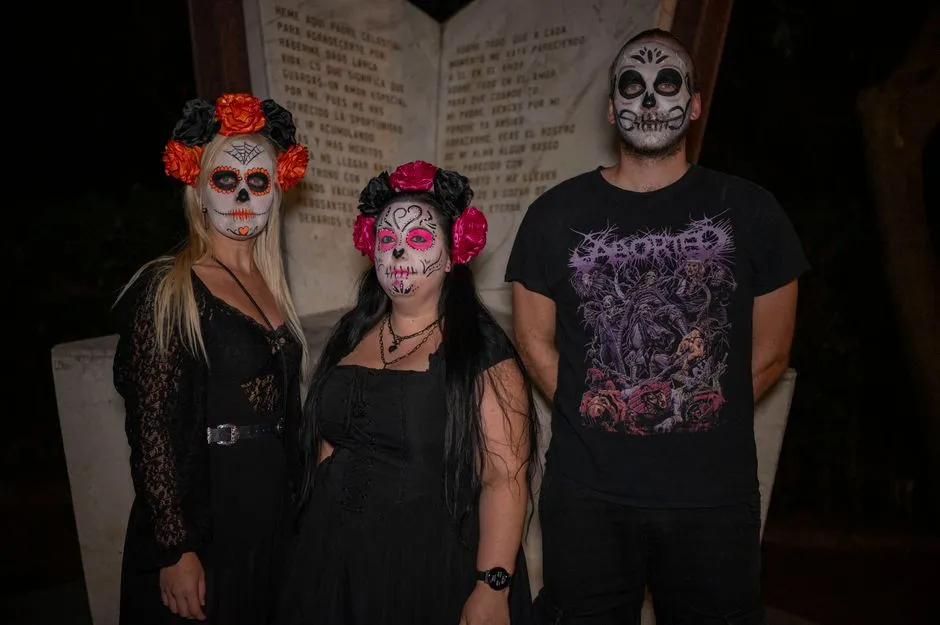
Guanajuato's contribution to the festival includes 127 artists, 78 performances, three workshops, and five altars and installations. The state announced its participation on August 11, 2026, committing 10 million pesos to its program. Those figures describe the guest state's involvement, not the entire event.
Across the festival, organizers plan more than 200 performances, or about 50 a day at 12 venues. More than 350 artists from 30 companies have been invited, Grupo Xcaret's cultural director told Milenio in an August 11 report.
The cultural director also reported cumulative figures spanning the festival's 20 editions: more than 15,000 artists and tradition bearers, over 6,400 artistic and cultural expressions, and more than 800,000 visitors. Separately, Mexico's Indigenous festivities dedicated to the dead received international intangible heritage recognition in 2008. That designation applies to living community traditions; it is not a separate designation for Xcaret's commercial festival.
A national forecast anticipates 1.69 million hotel tourists during the 2026 Day of the Dead festivities, 1.2% more than in 2025. That projection covers Mexico as a whole, rather than the Riviera Maya or an individual resort. Actual festival attendance and spending are not yet available.
Hotel expansion doubled one property's room count
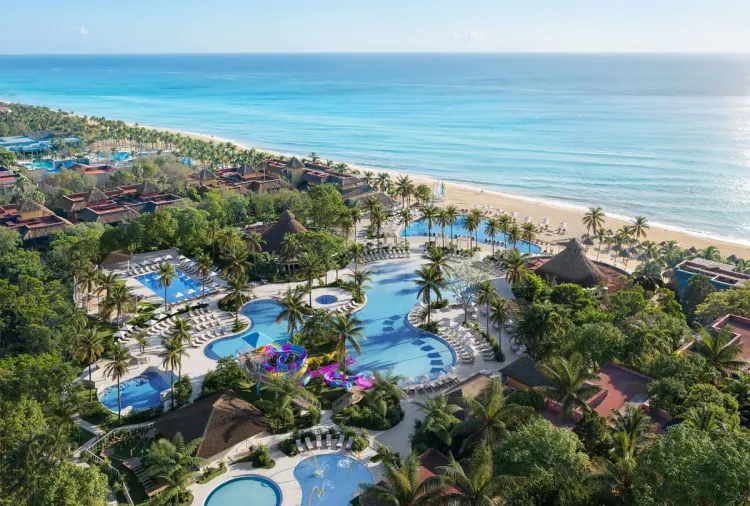
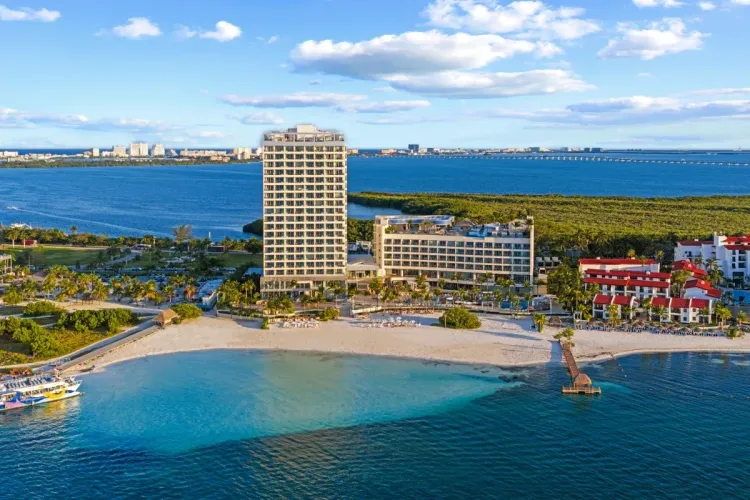
Hotel Xcaret México increased its capacity from 900 to 1,800 rooms through an expansion inaugurated in June 2025. Restaurants, bars and entertainment areas were also added. The 100% increase applies to this hotel alone, not to the Riviera Maya's total accommodation supply, and the enlarged property was already operating before this fall's festival.
The project followed an October 24, 2024, announcement of $700 million in infrastructure investment and 1,600 direct jobs in its first stage. The state's later inauguration report linked the completed expansion to 2,130 new direct jobs. These employment figures refer to different stages and should not be combined; the releases do not establish current payroll levels or independently measured benefits for neighboring businesses.
At the inauguration, Grupo Xcaret representative Marco Constandse described the expansion as part of a long-term plan involving $3.32 billion to develop an integrated tourism complex. The Playa del Carmen municipal government reported his remarks on June 28, 2025. Its account also cited Grupo Xcaret president Miguel Quintana's reference to a workforce of 17,000 employees.
Regional occupancy and visitor estimates show weakness
Official hotel statistics put Riviera Maya occupancy at 70.71% for January through July 2026, compared with 75.34% a year earlier. The decrease was 4.63 percentage points, approximately 6.1% relative to the earlier rate. Playa del Carmen registered 71.27% occupancy, a decline of 4.49 percentage points, while Quintana Roo recorded 71.54%, down 3.56 percentage points.
Those rates measure occupied rooms as a share of available supply. They do not isolate the effects of changes in room capacity from changes in demand, and they cannot establish that the Xcaret expansion caused the regional decline.
A separate ANSA report, published by La Nación on October 21, estimated that tourist flows to Cancún and the Riviera Maya fell between 6.5% and 7% in the first nine months of 2026. Experts cited disproportionate lodging-rate increases, higher local service costs, proposed new taxes, rising jet fuel prices, airline route cuts, sargassum and perceptions of insecurity as contributing factors. Those explanations are the experts' assessments.
The same report cited a document drawing on research from STARC at Universidad Anáhuac Cancún and INEGI data. It estimated that Mexico could receive 1.1 million fewer air tourists during 2026.
National results measure a different area and period: Mexico received 32.7 million international tourists from January through August 2026, up 3.9% year over year, while international visitor spending rose 0.9% to $24.152 billion. In August, overnight tourists accounted for 47.2% of international entries, but their number declined 0.5% from a year earlier. These national measures can coexist with lower regional occupancy; none demonstrates an effect from the resort expansion.
Island ferries and the Maya Train
For island excursions, travelers can take ferries from Playa del Carmen to Cozumel or from the Cancún area to Isla Mujeres. The routes use different departure terminals and require planning for mainland transfers. They are established services, not new transport links created by the hotel investment.
Elsewhere in the region's transport network, the Maya Train had carried 2.944 million passengers since passenger service began on December 16, 2023, according to its general director, as reported by PorEsto on October 8, 2026. The director reported a 96% user satisfaction rate. Freight operations are planned for the first half of 2027, with a passenger target of 4 million for 2030.
Before booking accommodation, events and transfers
Families planning a festival visit should check that their travel dates overlap the October 30-November 2 program and confirm which event admissions, meals and transfers their purchase includes. Children's conditions and cancellation terms also warrant review. For ferry excursions, check the departure terminal, return arrangements and current operating notices.
The development announcements introduce no new border procedures. Mexican consular guidance calls for a valid passport and any required visa or qualifying exemption; eligibility can depend on nationality, residence and supporting documents. Travelers should verify the rules that apply to them with Mexican consular authorities, since a hotel booking does not guarantee entry.
Lower regional occupancy does not ensure that a particular hotel will have rooms or offer discounts on a family's chosen dates. Availability, event access and transport arrangements need to be confirmed for the specific itinerary.