A new height record in the Zócalo
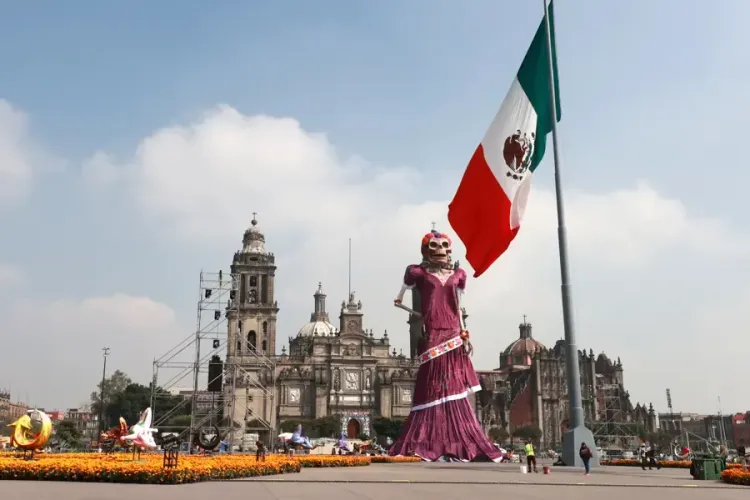
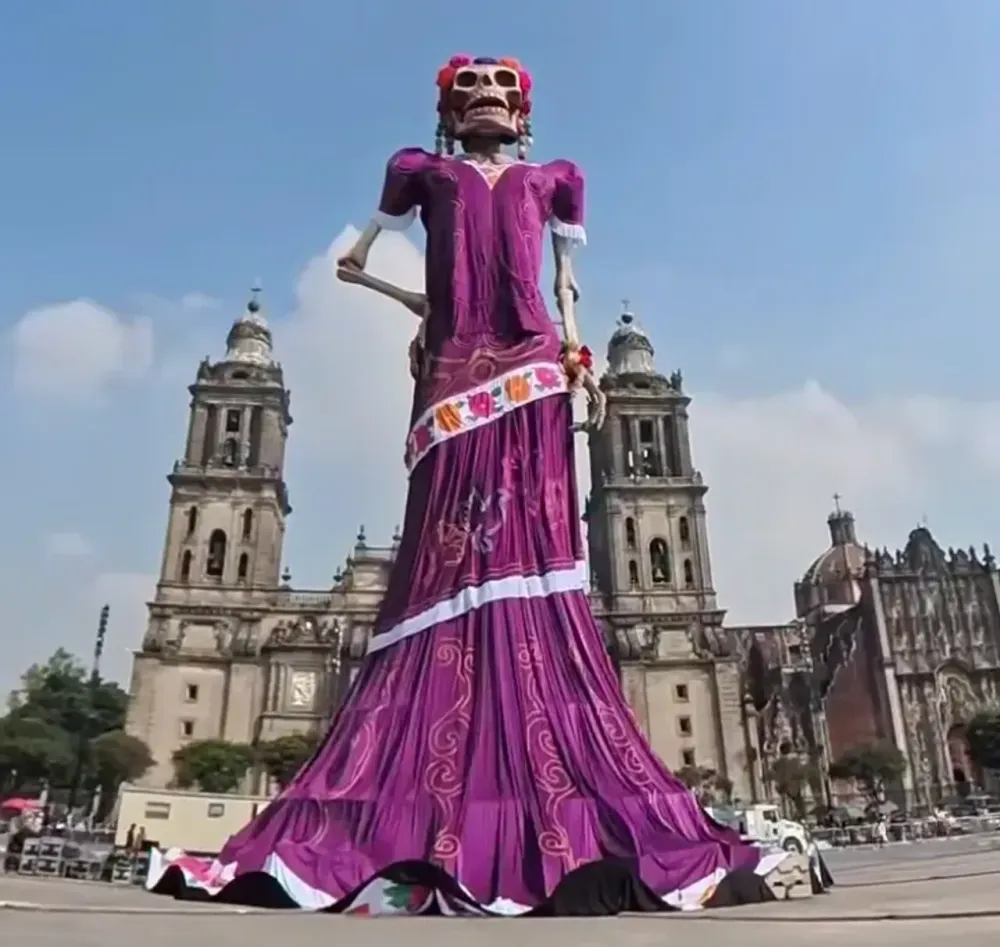
Guinness World Records representative Alfredo Arista confirmed an official height of 33.411 meters at the sculpture's unveiling on Thursday, Oct. 29, 2026. Mexico City Mayor Clara Brugada accepted the certificate during the inauguration of the altar at Plaza de la Constitución, also known as the Zócalo.
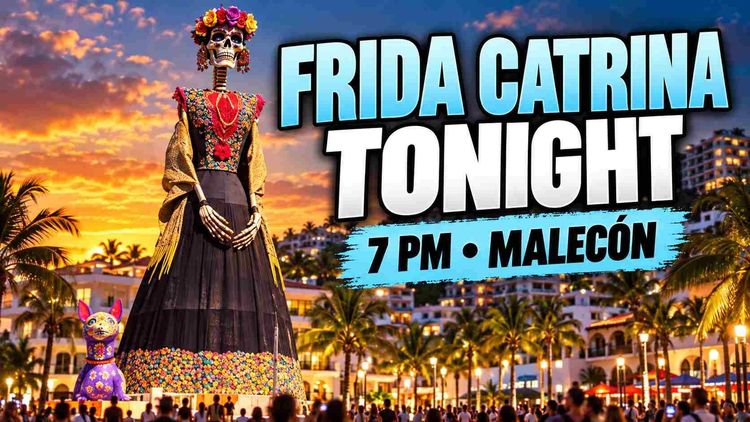
The previous record belonged to a 28.15-meter Catrina erected in Puerto Vallarta, Jalisco, in November 2023. The Mexico City figure is more than five meters taller.
According to Mexico News Daily, the Catrina brought Mexico City's total to five Guinness World Records in 2026. The others were a 750-square-meter holographic mural by Federico Kampf at the Auditorio Metro station; the largest continuous line of sandwiches, assembled in July at the Torta Fair in Venustiano Carranza; the largest human wave outside a stadium, held in June on Paseo de la Reforma; and the largest soccer lesson, held in March in the Zócalo.
A 27-meter dress and a flower-filled altar
Carlos Camilo Báez directed the project at Taller de Arte Xibalbá, the Xibalbá art workshop. About 140 artists and technicians participated, with craftspeople, designers and builders working continuously to create and assemble the figure in traditional attire.
A wreath of colorful flowers tops the Catrina's head, while her purple dress extends more than 27 meters. Special lighting illuminates the statue after dark, with the historic cathedrals of central Mexico City as a backdrop.
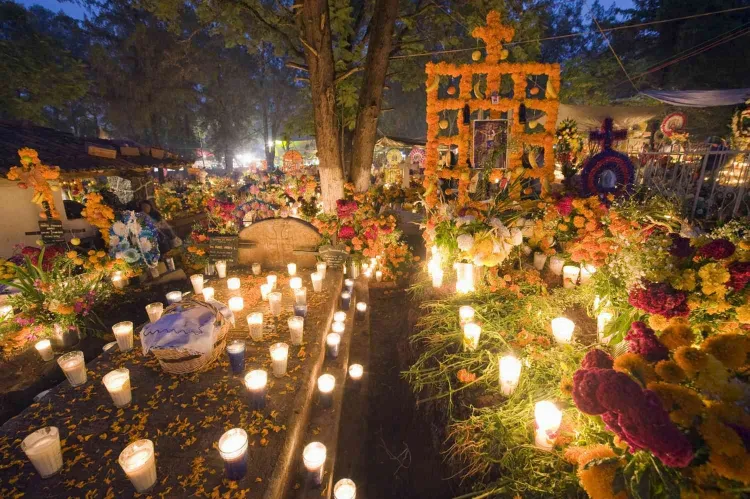
Around the figure, a monumental altar features approximately 70,000 marigolds, known as cempasúchil. Figures of axolotls, alebrijes and sugar skulls also form part of the display.
The announced viewing dates differed: event information said admission would be free and the installation would remain open through Nov. 2, 2026, while Mexico News Daily reported that the ofrenda would stay on display through Nov. 3.
Remembrance and the origins of La Catrina
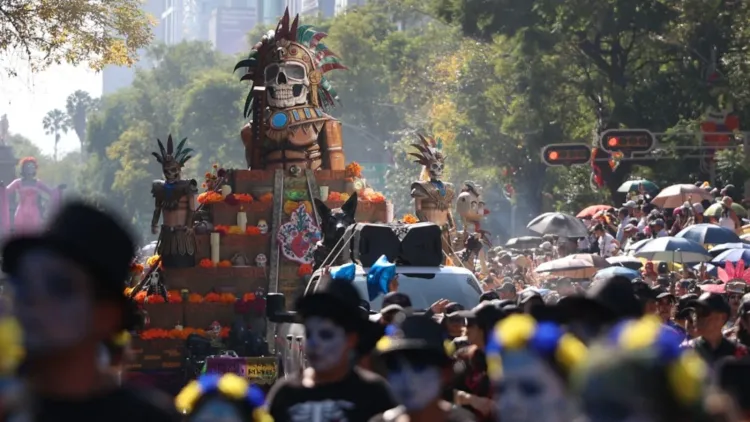
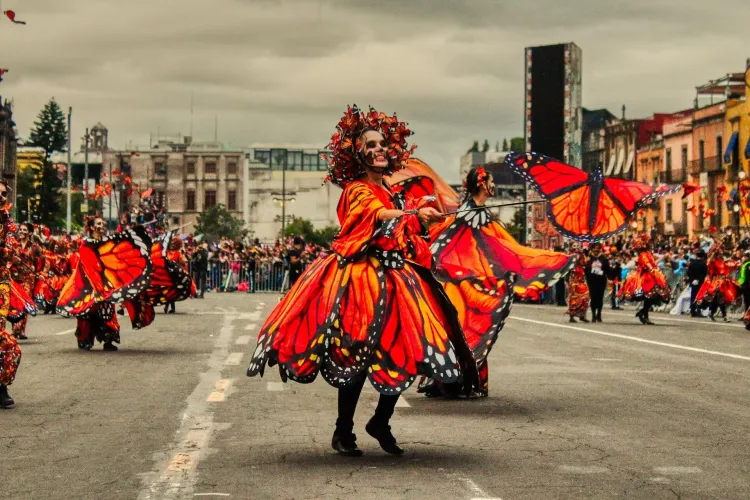
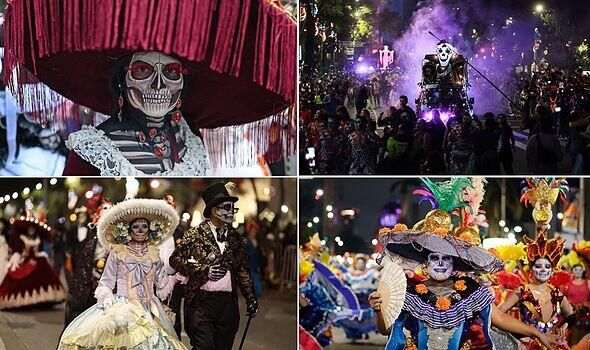
Mexico observes the Day of the Dead on Nov. 1 and 2 each year. The tradition emphasizes affectionate remembrance rather than mourning, with families honoring departed relatives and ancestors through festive tables, smiles and celebration. The skulls, or calaveras, painted on faces and the elegantly dressed Catrina express an appreciation of life and joyful remembrance of the dead, rather than fear of death.
La Catrina's origins lie in La Calavera Garbancera, an image created by Mexican printmaker José Guadalupe Posada in the early 20th century. Her familiar full-length, elegantly dressed appearance took shape in the late 1940s, when Diego Rivera included the figure in his mural "Dream of a Sunday Afternoon in the Alameda Central."