An altar drawing on two cultures
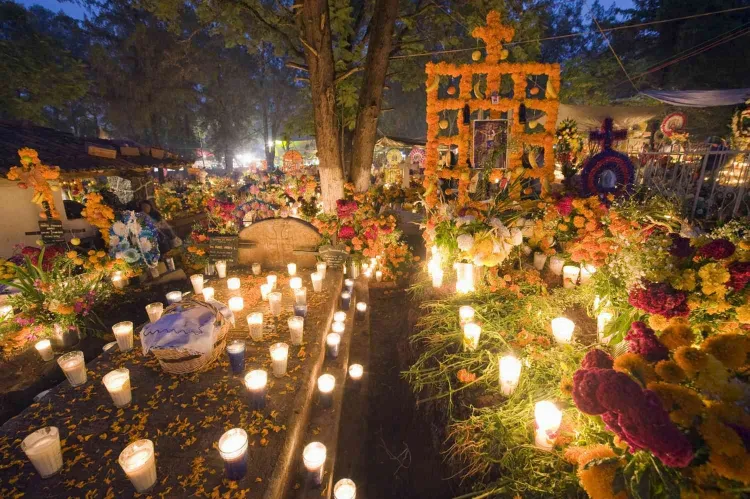
The installation takes its starting point from the Mexican ofrenda, an altar where offerings honor people who have died. Artist Mafalda Budib directed and coordinated this year's altar, combining references to the Zapotec tombs at Monte Albán in Oaxaca with funerary rituals and beliefs associated with Tutankhamun.
That pairing connects two civilizations with long traditions of honoring ancestors. Monte Albán belongs to the UNESCO World Heritage property "Historic Centre of Oaxaca and Archaeological Site of Monte Albán," inscribed in 1987. UNESCO calls Monte Albán the Valley of Oaxaca's most important archaeological site; its Zapotec capital flourished from 500 BC to 850 AD.
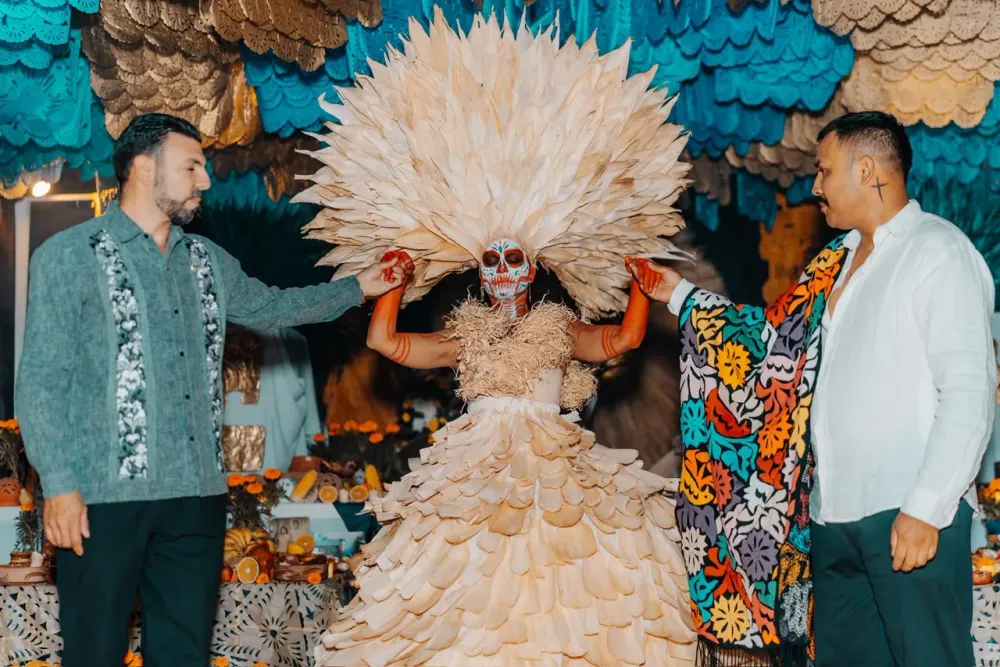
Roberto Jiménez, a visual artist from Oaxaca, traveled to Cairo to introduce Egyptian audiences to his home state's artistic heritage. Rooted in Oaxacan traditions and ancestral knowledge, his practice turns feathers, plant fibers and other natural materials into headdresses, garments and sculptural works. His contribution to "Echoes of Eternity" presented that heritage through contemporary art.
Mexicans living in Egypt helped prepare the altar alongside students and volunteers from Egyptian academic institutions. Their collaboration made the event a shared undertaking, reinforcing ties between the two countries while opening a conversation about life, death and memory.
Remembering loved ones through celebration
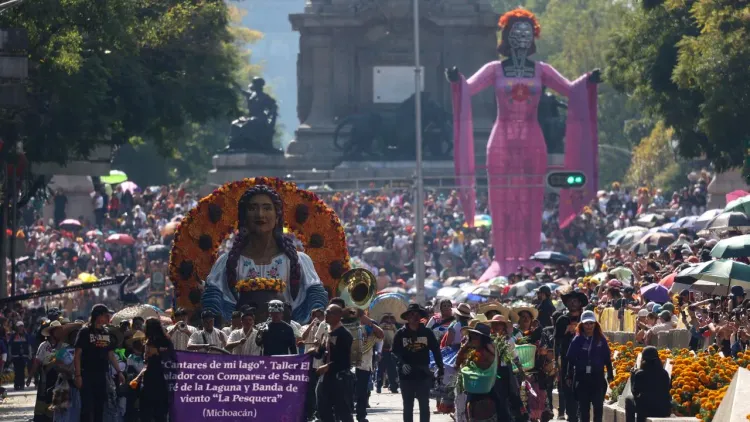
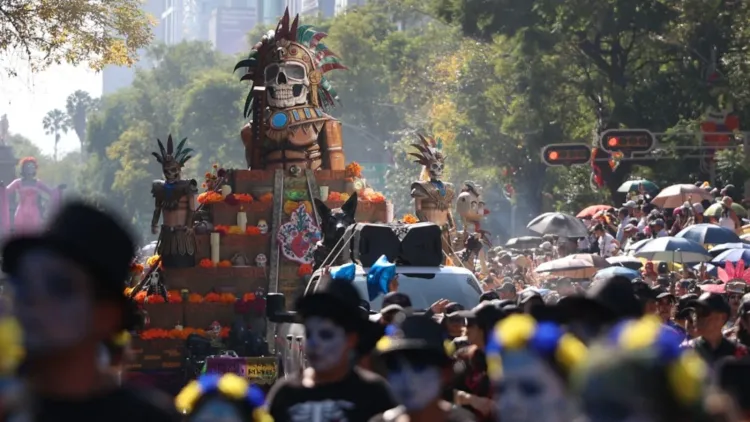
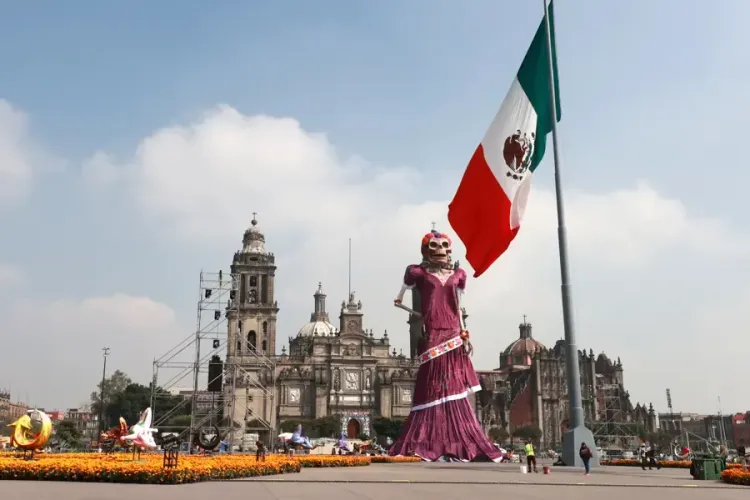
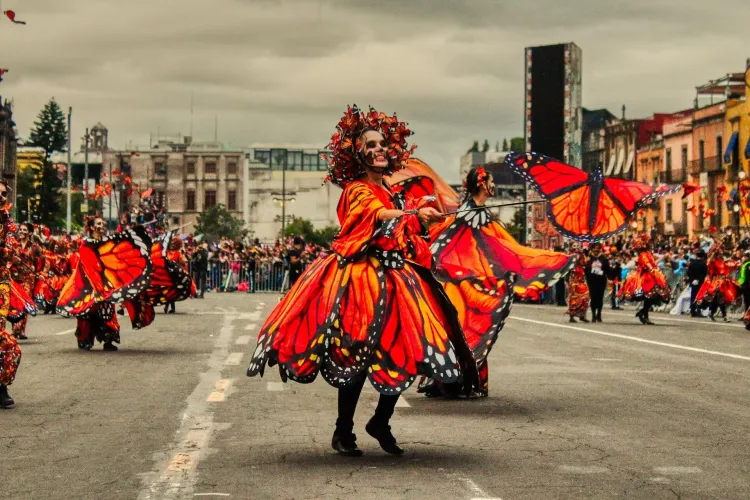
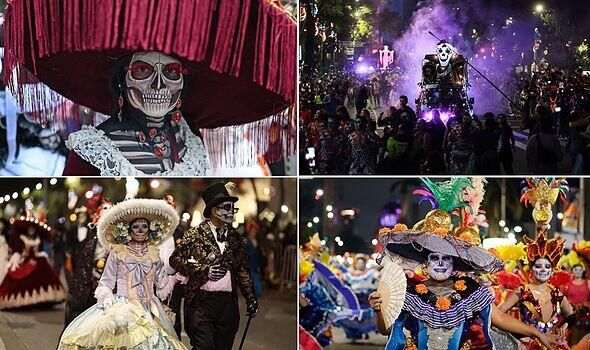
Families observing the Day of the Dead use flowers, food, offerings and symbolic objects to remember loved ones and pass the tradition to younger generations. One of Mexico's prominent cultural expressions, the indigenous festivity dedicated to the dead was proclaimed by UNESCO in 2003 and added to its Representative List of the Intangible Cultural Heritage of Humanity in 2008.
Speaking at the event, Mexico's chargé d'affaires in Egypt, Héctor Ortega, described the observance as neither worship of death nor a denial of grief. Its meaning, he said, lies in the continuing place that loved ones hold in people's lives through memory. Customs differ among regions and families, but affectionate remembrance connects them.
Ortega pointed to a practice familiar in both Mexico and Egypt: families sitting together at a table, exchanging stories and recalling earlier generations. He said those similarities gave the Cairo celebration particular meaning despite the distance between the countries. In the Mexican understanding he described, death becomes a transformation into memory rather than life's end, allowing remembrance to take a celebratory form.
He thanked Jiménez, Budib, the Mexican community and embassy staff for making the event possible. The embassy used the occasion to reaffirm its support for Mexican artists and cultural heritage, with Jiménez's work offering Egyptian visitors a living expression of Oaxacan art and a way to explore affinities between the two countries.
Another Mexican-Egyptian exhibition
Budib also curated "El Respiro de la Luna" (Moon's Breath), a separate exhibition that opened in Cairo on October 31, 2026. According to El Imparcial de Oaxaca, it features 42 artists from Mexico, mainly Oaxaca, and Egypt. The Mexican Embassy in Egypt organized the exhibition with NN Gallery and Nox Gallery.