Bones uncovered beneath the railway route
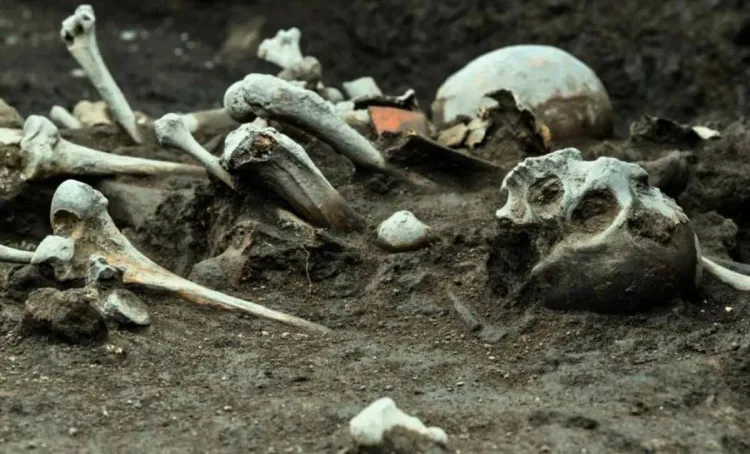
The first bones emerged on September 17, 2026, during embankment work for the Mexico City–Querétaro passenger railway, according to an INAH bulletin. Archaeologist Víctor Francisco Heredia Guillén coordinates the institute's archaeological salvage project overseeing the excavation.
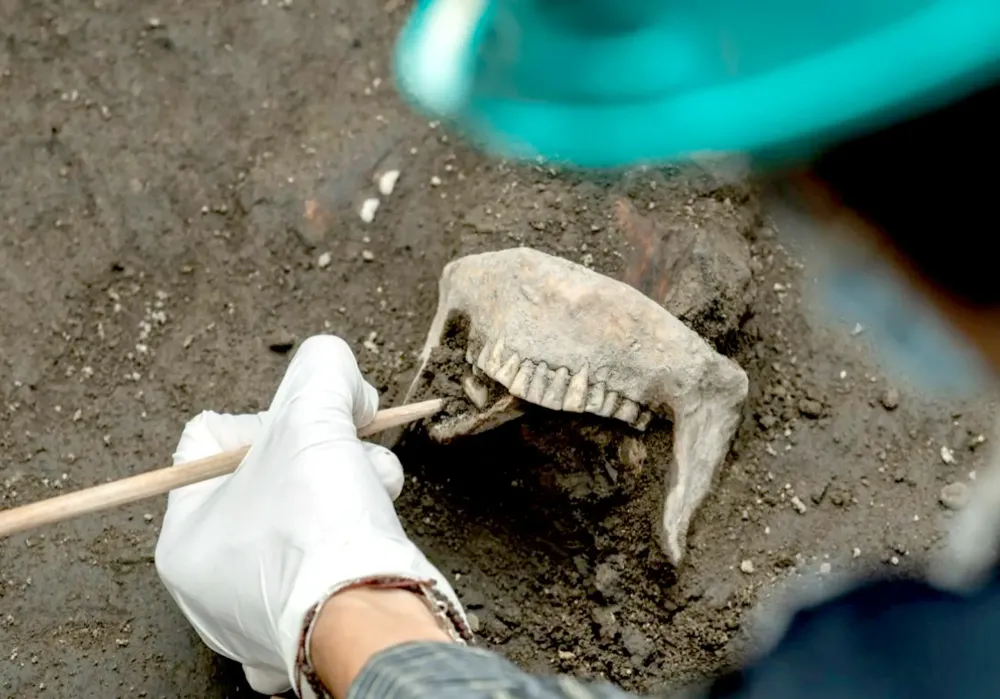
At a depth of about 1.40 meters, the team encountered skulls, mandibles, fragments of hips and femurs, ribs and teeth. Farther down, they uncovered a funerary deposit in which the bones were no longer in their anatomical arrangement. That finding prompted the provisional interpretation of the deposit as an ossuary.
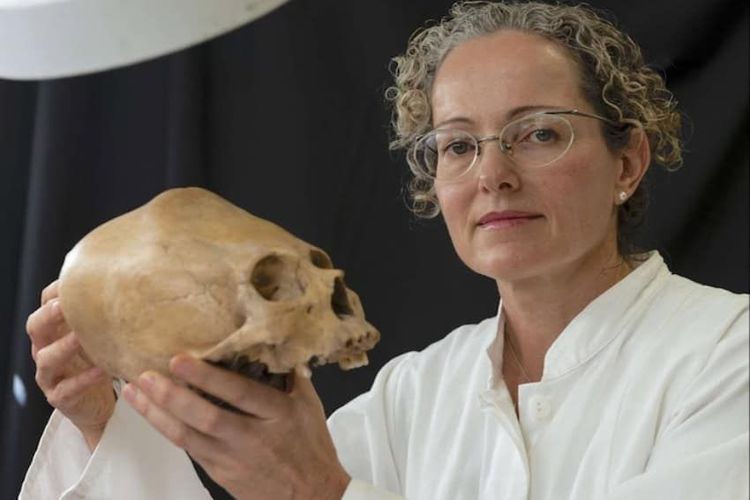
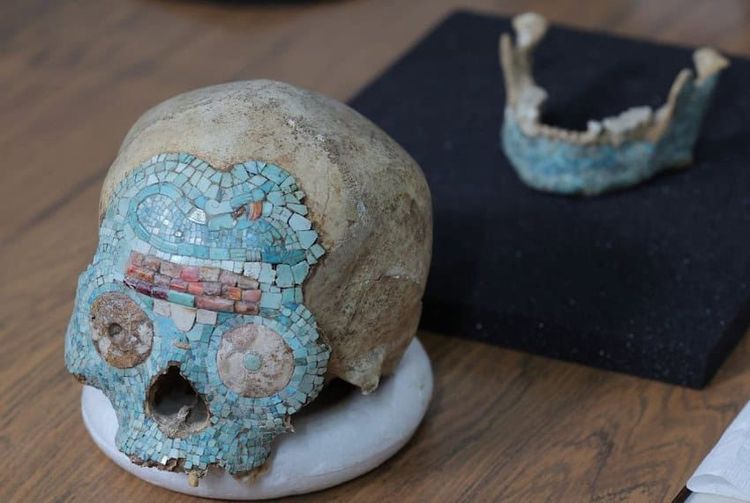
Two of the nine individuals identified so far show cranial modification. Specialists also recorded five mandibles and large bones, including radii, tibias and ilia, several of them well preserved.
A site in historic Nonoalco
The discovery lies within the former calpulli of Nonoalco, one of 19 pre-Hispanic neighborhoods on the island of Tlatelolco. Nearby stands the 16th-century church of San Miguel Nonoalco, once a visita chapel served by Franciscan friars from the Convento de Santiago Tlatelolco.
INAH tentatively dates the deposit to either the Late Postclassic period, AD 1200–1519, or the period of contact with the Spanish, AD 1519–1535. Pottery found with the remains belongs to the Aztec III tradition, dated to AD 1350–1520. These domestic vessels include plates, cooking pots and salineras, which were used to extract salt from the former Lake Texcoco.
Other objects recovered alongside the bones include seven miniature spindle whorls, known as malacates, and two figurines. The polished stone tools include four fragments of metate and mortar manos. Most of the blades are green obsidian, possibly sourced from the Sierra de las Navajas deposit in Hidalgo.
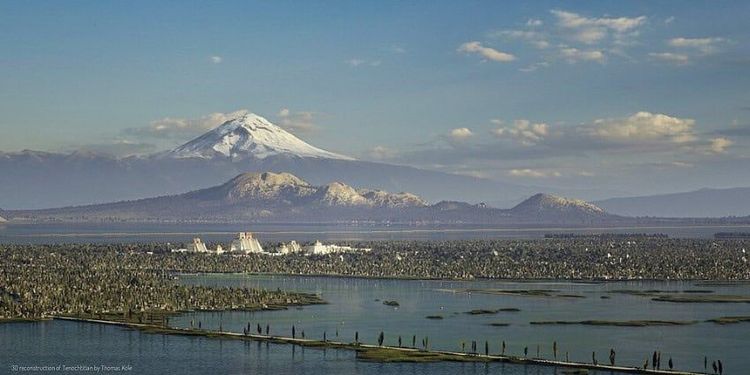
The site is part of the archaeological record beneath the modern capital, which was built over the ruins of Tenochtitlan. The Aztec capital was a major cultural center in the Americas before the Spanish arrived in the 16th century. Successive settlements have left Mexico City with an exceptionally rich concentration of buried sites spanning pre-Hispanic, colonial and later history.
Laboratory work to establish age and burial context
Researchers still need to establish whether the remains represent ordinary burials, religious practices or exceptional historical events. Answering that question requires specialized examination and comparison with other archaeological finds in Mexico City. The Aztecs' religious and funerary practices provide relevant context, but the deposit's purpose has not been established.
After documenting the finds on site, the team transferred them to the project's physical anthropology, lithics and ceramics laboratories in Tula de Allende and Tepeji del Río de Ocampo, Hidalgo, for cleaning and restoration before analysis and curation.
INAH says specialized study at the Physical Anthropology Laboratory must determine the remains' exact age, the individuals' ages and sexes, and the types of alterations present.