Dry taps and mounting household costs
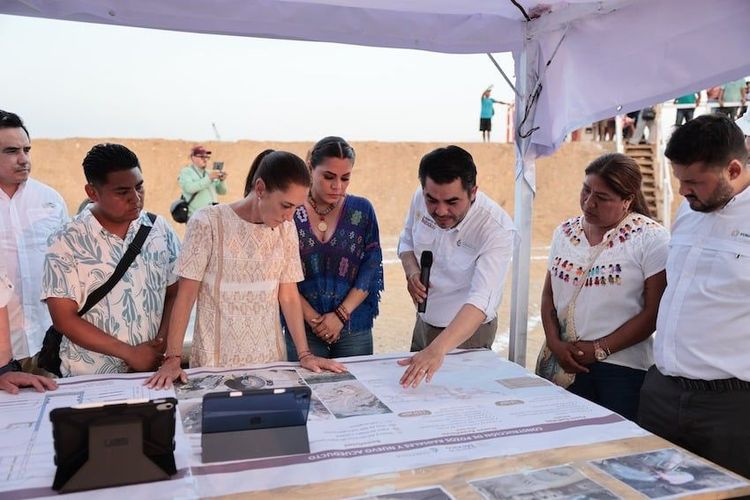
President Claudia Sheinbaum and Jalisco Governor Pablo Lemus presented the plan at the National Palace on October 28, 2026. The announced investment totals 25 billion pesos, about US$1.2–1.35 billion, with 14.5 billion pesos coming from the federal government and 10.2 billion from Jalisco.
As of early November, Guadalajara's water utility, SIAPA, was rationing service through rotating cuts known as "tandeos" in 627 neighborhoods. Lemus acknowledged interruptions across about one-third of the metropolitan area, which has more than five million residents.
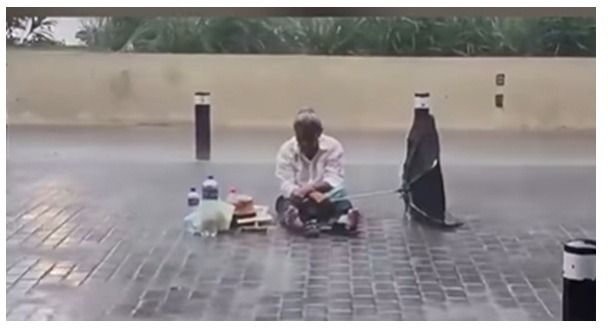
Some households have paid for replacement water while continuing to receive utility bills. María Morales, a participant in a November 1 protest, told UnoTV that her family spent 5,000 to 6,000 pesos, about US$270–325, on bottled water and private water trucks over six weeks while still paying SIAPA. That expense was roughly 40 percent of a minimum-wage worker's earnings over the same period.
Protests and scrutiny of police conduct
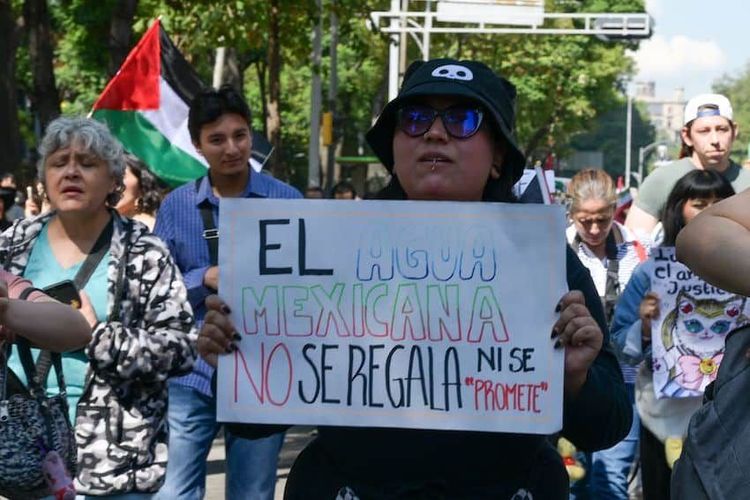
The shortages brought about 10,000 residents into the streets on October 11. They walked from the Glorieta Minerva to the governor's residence, Casa Jalisco, carrying bottles of discolored tap water. Police used tear gas and water cannon to disperse the march, and 39 people were arrested.
Reports that demonstrators had been physically abused and detained drew condemnation from civil rights advocates. Lemus later acknowledged "excessive use of force." Administrative proceedings were opened against 17 of the 230 officers deployed.
Protests continued after the infrastructure announcement. On the night of November 1, residents from eastern neighborhoods, including San Felipe, Oblatos, La Ex Penal, Blanco y Cuéllar and La Loma, blocked Javier Mina Avenue at Pedro Celestino Negrete Street. The city's Day of the Dead Catrinas parade had to take another route. Demonstrators said they had been without water for 32 days and would continue blocking streets until service returned.
Two aqueducts and a treatment plant overhaul
The federal construction program would expand the system carrying water from regional lakes and reservoirs to urban distribution tanks. Its largest component is the 42-kilometer Chapala–Guadalajara aqueduct, designed to carry up to 8,000 liters per second at an estimated federal cost of 9.3 billion pesos.
A second aqueduct, Calderón–San Gaspar, has an estimated cost of about 5.2 billion pesos and a planned capacity of 3,500 liters per second. It is intended to connect with the El Zapotillo dam and increase the flow from the El Zapotillo and Calderón dams from about 2,300 to 3,500 liters per second.
El Zapotillo was completed in 2024 as a flagship project of former President Andrés Manuel López Obrador. By late 2026, however, it remained only partly operational and was not yet supplying Guadalajara's distribution network.
Jalisco's share of the program includes a 7.5-billion-peso modernization of the 70-year-old Miravalle Potabilization Plant No. 1, or PP1. Lemus said the plant supplies about 42 percent of the metropolitan population. The three-stage project is designed to treat about 3,000 liters per second, with its first stage expected to be ready in late March or early April 2027.
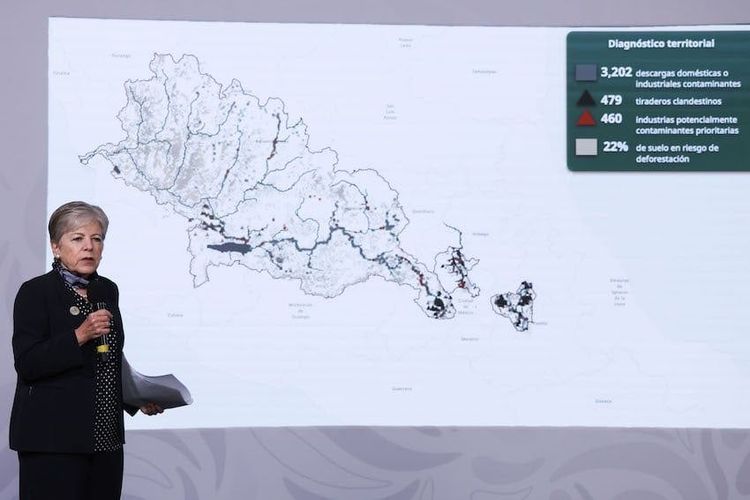
Authorities are also closing illegal wastewater discharges. Conagua director Efraín Morales López said about 150 had been detected along the stretch from La Calera to the Las Pintas dam and onward to the Miravalle plant. By late October, officials reported closing roughly 60 percent, or about 80. Some outlets could not be sealed immediately because that could flood neighborhoods with wastewater.
Questions about relief and leaking pipes
The main works are scheduled to start in early 2027 and finish by the end of 2028. Critics and independent experts question both the timetable and the effectiveness of the proposed projects, warning that major construction phases put substantial relief several years away while households continue facing shortages.
Analysts also say the plan leaves out needed repairs to the aging secondary distribution network. The World Socialist Web Site describes a system with roughly 8,000 kilometers of deteriorating pipes, where leaks consume 40 to 50 percent of the flow before it reaches homes.
Community organizations are pressing for emergency water relief alongside the construction program. They also seek transparent accountability for police misconduct and sustainable long-term policies that place basic household needs ahead of industrial demand.