
Talks seek an interim agreement
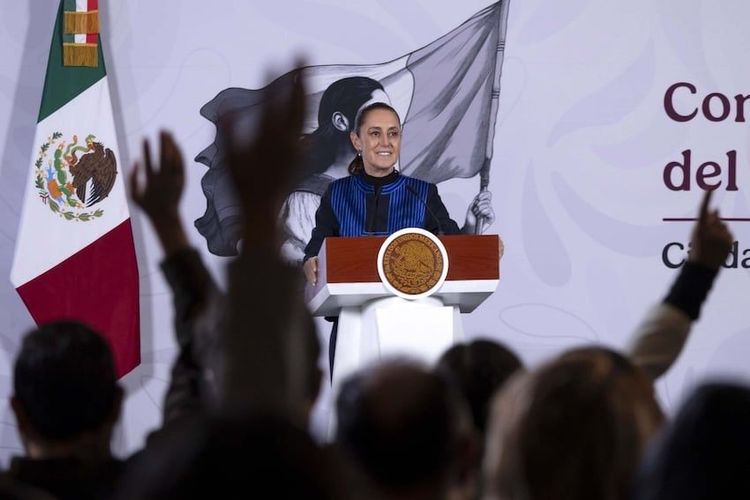
Sheinbaum said Mexico would continue working with the United States without interruption on issues involving the United States-Mexico-Canada Agreement, or USMCA.
The negotiations seek an interim bilateral deal offering Mexico relief from U.S. tariffs while addressing Washington's concerns about automotive content and Chinese investment, Reuters reported on Oct. 28 in an article carried by U.S. News & World Report.
The two presidents have expressed optimism, but no final agreement has been reached. At an Oct. 19 rally in Kansas, President Donald Trump said the countries were "very close" to a "great" trade deal. Sheinbaum subsequently also described an agreement as close while making clear that it was not final.
Vehicle and metals tariffs at issue
The main tariffs under discussion are U.S. Section 232 duties of 25% on passenger vehicles and light trucks and 50% on steel and aluminum, according to EBC Financial Group. The vehicle duty applies only to non-U.S. content in vehicles that qualify under USMCA. Some derivative goods carry lower rates of 15% or 25%.
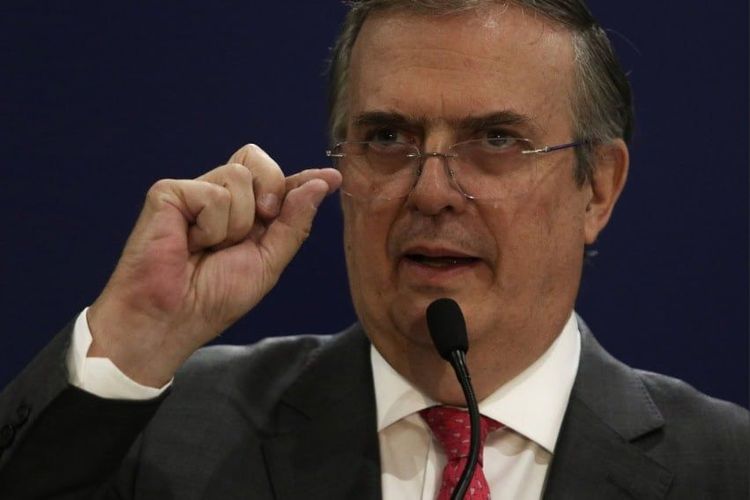
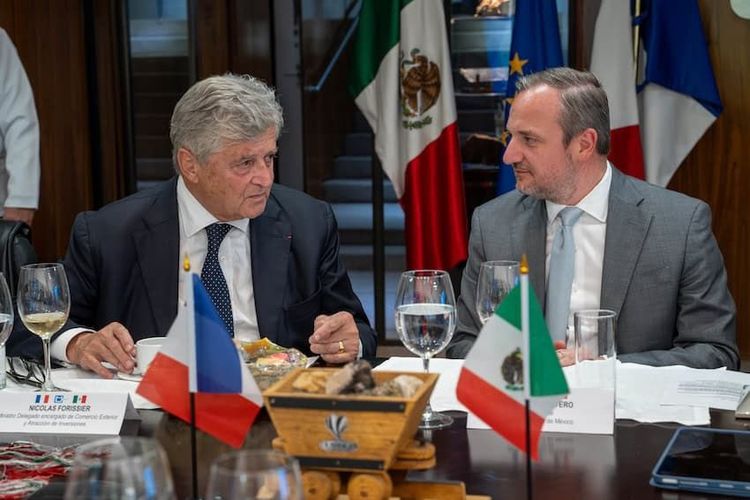
Economy Secretary Marcelo Ebrard told Mexican lawmakers on Oct. 16 that Mexico wants the vehicle tariff reduced from 25% to 15%, with content-based deductions retained. That is Mexico's negotiating goal, not an agreed settlement. Ebrard said the existing deductions already put the automotive sector's average effective duty below 10%.
The dispute coincides with falling Mexican vehicle output and exports. INEGI figures cited in reporting on the talks show that September 2026 light-vehicle exports, measured by units, dropped 11.9% from a year earlier. Production fell 15.1% to 301,803 vehicles. Those figures do not establish how much of the decline came from U.S. duties rather than other factors.
USMCA remains in force
The negotiations are taking place while USMCA remains in effect. At its mandatory six-year joint review on July 1, 2026, Washington declined to renew the pact in its current form, while Mexico and Canada supported renewal, according to the Congressional Research Service.
That outcome did not terminate the agreement. Its current term runs until July 1, 2036, unless all three countries agree to extend it. Annual joint reviews are now required in the meantime.
Mexico has kept negotiating with Washington even as U.S.-Canada talks have faltered, Reuters reported. The breakdown with Canada, USMCA's third member, triggered a tariff dispute that includes new U.S. import bans on Canadian alcohol, motorcycles and dairy.
Disputed reports of a stall
Public accounts of the negotiations have differed. On Oct. 15, Reuters relayed a Wall Street Journal report, based on people familiar with the discussions, that U.S. Commerce Secretary Howard Lutnick's opposition had stalled progress toward a tariff deal. The report said Lutnick opposed substantial cuts to the 25% tariff on Mexican automobiles and the 50% duties on steel and aluminum. Ebrard and other Mexican officials publicly rejected the claim that talks had stalled.
Ebrard said on Oct. 16 that a fourth round of bilateral negotiations must take place before year's end. As of Oct. 25, no date had been announced for that round, and neither government had published negotiating terms, according to the ICPA USMCA Joint Review Tracker.