Mexico's kombucha market quietly emerges as North America's fastest-growing
The fermented probiotic tea known as kombucha traces its origins to China around 221 B.C. during the Qin Dynasty, where it was consumed as a remedy for longevity by those who believed the naturally carbonated black tea promoted lasting health and vitality.
In 414 B.C., a Korean physician named Kombu brought the beverage to Japan to treat Emperor Inkyo, though Japan already had its own version made from kombu seaweed and tea. During the 20th century's global trade expansion, kombucha spread into Europe, where Russia and Germany adopted it as "kambucha" and "kombuchaschwamm" respectively.
The drink gained mainstream popularity in China during the 1960s through 1980s, with homebrews marketed as digestive tonics called "Stomach Treasure." In the 1990s, kombucha finally entered North America, largely through GT's Kombucha, founded by GT Dave in 1995 when he was just 15 years old. Dave became the first person to put kombucha on American grocery store shelves, and his company now controls approximately 40% of the U.S. kombucha market.
Over the past decade, kombucha's presence has surged dramatically. The North American market was valued at USD 1.88 billion in 2024 and reached USD 2.13 billion in 2025, with projections indicating continued growth at a compound annual rate of 13.7% through 2030. North America accounts for 52.72% of the global kombucha market, which itself is expected to expand from USD 2.90 billion in 2025 to USD 15.56 billion by 2034.
Why kombucha arrived late in Mexico
Despite kombucha's rapid rise elsewhere in North America, the beverage remained scarce in Mexico until recently. The country's beverage landscape has long been dominated by traditional drinks including aguas frescas, carbonated sodas, tepache (a naturally fermented pineapple drink), tequila, mezcal, pulque, and countless other options.
Mexico represents the second-largest beverage market in Latin America, with total consumption exceeding 30 billion liters annually and the overall market valued at approximately USD 45-50 billion in 2026. Soft drinks account for the highest market share, with Mexicans consuming more than 170 liters of packaged beverages per capita each year. In the alcoholic category, beer dominates with a 71% market share.
In this environment saturated with readily available beverages, many made by neighborhood producers using generations of family knowledge and native ingredients, kombucha struggled to find a foothold. Local residents could easily obtain handpicked flower tea remedies from neighbors, but commercially bottled kombucha was virtually nonexistent.
The breakthrough begins
Mexican-owned kombucha brands began appearing around 2015 and 2016, with companies like Cali Kombucha in Baja California Sur and Brew Lab in Oaxaca among the early pioneers. By the mid-to-late 2010s, kombucha started becoming more visible in cafes, specialty stores and markets catering to cosmopolitan clienteles.
The market has since accelerated rapidly. Mexico's kombucha market is now projected to reach USD 371.4 million by 2033, making it the fastest-growing regional market in North America. This expansion reflects not just increased availability but a shift in consumer preferences toward health-oriented beverage options.
Local flavors and independent producers
In Xalapa, Veracruz, new-wave coffee shops now routinely offer kombucha alongside their espresso-based drinks. Local producers include LindaSol Fermentería and Agua Brava, made by the chef at Bravo Pizza, a small pizzeria that opened two years ago. Agua Brava's flavors rotate weekly, with batches brewed and bottled on-site.
Other regional brands have emerged across Mexico. Veracruz offers Komboocha Puerto from the port city, while nearby states contribute Dominga Kombucha from Cholula, Puebla, and Naran Fermentos from Xalapa. Mexico City, Guadalajara, San José del Cabo and other urban centers have developed their own distinct brands.
Mexican kombucha producers often incorporate tropical and local flavors: maracuyá, tamarindo, coconut, mango. Some add ingredients like ancho chile peppers, jalapeño, honey or kiwi for additional depth. Puebla's Dominga Kombucha produces a guayaba option described as subtly effervescent and mellow. Mexico City's Umani offers canned varieties including orange turmeric, Mexican pepperleaf and fig. Bruja Sana from Yucatán emphasizes herbally minty options with green additions like romero and hierba buena.
The science behind the fermentation
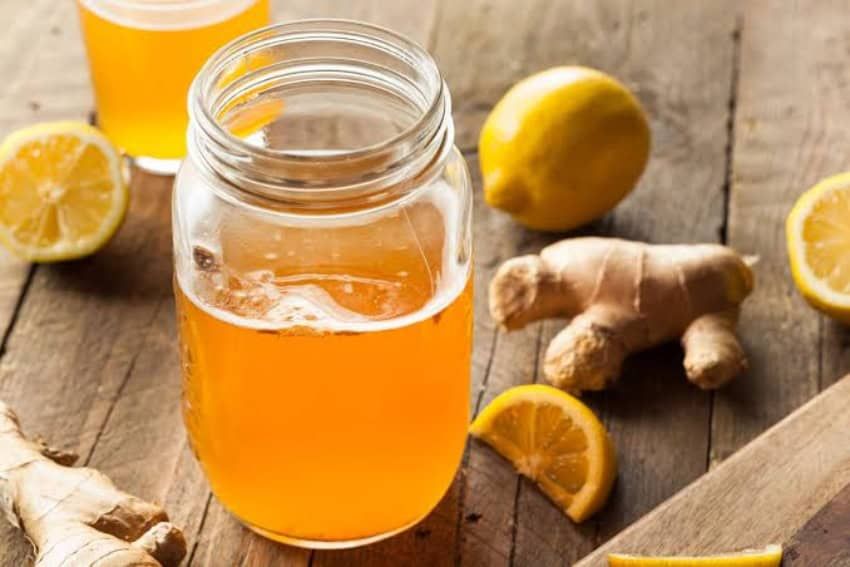
Kombucha is produced through fermentation using a SCOBY, which stands for Symbiotic Culture Of Bacteria and Yeast. The SCOBY typically contains acetic acid bacteria of the genus Komagataeibacter and yeast of the genus Brettanomyces. During the fermentation process, which takes 7-15 days at room temperature, yeasts convert sugars into ethanol, which acetic acid bacteria then transform into acetic acid, giving kombucha its characteristic sour taste and natural carbonation. The process produces an alcohol content of approximately 0.5%.
Beyond commercial sales
Many of Mexico's leading kombucha brands operate independently, with business models that extend beyond simple product sales. These companies often encourage or provide workshops on SCOBY cultivation, yoga and Pilates classes, and other wellness-centered activities. Neighborhood brewers frequently sell unmarked jugs or small labeled batches of their homemade productions directly to local customers.
Rather than pursuing mass commercial distribution, these producers position kombucha as a gateway into broader health-conscious lifestyles and mindful consumption practices with distinctly regional character. The "kombuchería" has emerged as a recognized establishment type in areas like Mazunte, Oaxaca, where tourists and locals alike can sample locally fermented varieties.
As Mexico's kombucha market continues its rapid expansion, the beverage is transitioning from exotic import to established category, adapting to local tastes while maintaining connections to the centuries-old fermentation traditions that first gave rise to the drink in ancient China.